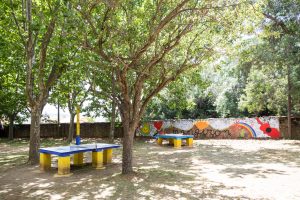
Secondary school (Key Stage 3 and 4) covers the stage of education from ages twelve to fifteen. During this period, students deepen their learning and develop the skills that will be fundamental to their future. Among these, independence and responsibility stand out. These are the years in which children become teenagers, increasingly eager to take responsibility for their own actions and be more autonomous in their daily lives. This is why school trips become especially important for secondary school students. A secondary school trip represents an opportunity for growth and fun – experiencing new things and building self-confidence are key elements of enjoying this type of trip.
The school trip par excellence has always been the one taken at the end of Year 10 (4th ESO). This trip celebrates the end of compulsory education and offers a unique chance to say goodbye to classmates and familiar routines. Many will continue at the same school to study sixth form, but others will take a different path. The school trip at this moment covers dates that participants will never forget. Although this is the most iconic, all other secondary school years now also have their own school trips. The approach taken is fundamental and can make the difference between an ordinary school trip and an unforgettable one.
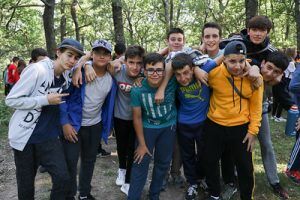
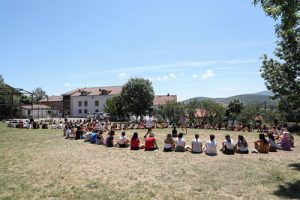
At Natuaventura Leisure and Free Time, we have extensive experience organising school trips. Primary, secondary, sixth form… we work with groups of all ages and from a wide variety of schools. To organise excursions or school trips, visit our website.
How to organise a secondary school trip?
This question is common as the end of the school year approaches: how do we organise our secondary school leaving trip? One of the most convenient and affordable ways to make the trip happen is to use a professional organising agency. These companies offer a range of packages that bring together accommodation, activities and group leader support. The trip schedule is designed in coordination with the school, taking into account their needs and preferences. During the trip itself, this schedule is carried out by the group leaders team, in coordination with the teachers or group supervisors.
The initial schedule can be adjusted during the trip itself based on the weather or the needs of the participants. This ensures a secondary school trip with activities tailored to their age and wishes. Typically, organising agencies also offer options to help finance the trip, so that students can use various methods (competitions, raffle tickets, sales) to raise money and make their trip as affordable as possible.
What does a secondary school trip offer?
There are many advantages to a secondary school trip. First of all, whether for Year 10 students or those in earlier years, a school trip provides a moment of rest and fun after a long academic year of hard work. Whether at the coast or in the mountains, these are days full of activities and enjoyment. The best time to enjoy it is at the start of the holidays, though some trips take place at the end of the second term or before lessons finish entirely. Beyond being a reward for the academic year, secondary school trips offer the opportunity to strengthen friendships and team spirit among students. With the end of an educational stage approaching, school trips can be unique moments for lasting friendships.
Secondary school trips tend to involve destinations further from home, allowing participants to discover a new tourist and cultural setting that will ignite their desire to explore the world. It also gives them the chance to take part in different, adventure-filled activities. This new knowledge is another step towards adulthood, where they will soon be responsible for their own trips and learning. The final great benefit is the strengthening of a sense of confidence and group unity – a unique way to close out years of studying and shared life.
How to organise a secondary school trip
To answer this question, you can consult the guide that Natuaventura Leisure and Free Time has for schools interested in organising their secondary school trip: