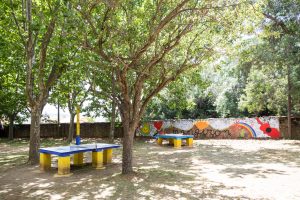
In recent years, one type of nature school trip that has gained popularity is the trip to a natural park. We are fortunate that in Spain, due to the great variety of ecosystems, we have the remarkable number of 132 natural parks. But before analysing their importance in today’s school trips, it is worth asking: what is a natural park? By natural park we mean any natural area with special biological or landscape characteristics that is intended to be protected for its value. The designation of a space as a natural park has as its objective the preservation of the fauna and flora that make it up. A natural park can be maritime or terrestrial, and need not be limited to a single type of ecosystem — it can combine several. Natural parks exist all over the world.
This means that at an international level a series of characteristics, rules and agreements are maintained that guarantee the protection and recognition of these spaces on a universal basis. Natural parks fall within the category of protected natural spaces. In addition, there are certain designations by international bodies that ensure specific environments meet the policies and protocols required for their conservation. Thus, a natural park may also be a national park and hold international distinctions such as an area of outstanding natural beauty, a biosphere reserve or a UNESCO World Heritage Site. Natural parks are the best way to achieve a total immersion in nature during a school trip. They allow visitors to experience first-hand a protected natural environment with a wealth of biodiversity, and almost all of them offer leisure and multi-adventure activities as a complement.
School Trips to Natural Parks: Activities and Knowledge
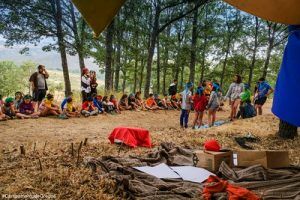
School trips to natural parks have the great advantage of combining activities and the transmission of knowledge in a very close-knit way. After all, every natural park is a tourist destination for both national and international visitors. The bodies that manage them are aware of the importance of using the surrounding environment to complement visits with leisure and cultural activities. This is why natural parks are an ideal location for school trips. The leisure activities on offer are numerous and often depend on the particular natural park. However, almost all of them share a number of common activities. The most typical is a guided tour of the park, which can be carried out in several different ways.
Tours can be conducted either by specialist vehicle or on foot as a hiking trail. In either case, they are always accompanied and led by a professional from the park. On school trips, this person will be responsible for sharing all their knowledge of the natural park with the children. To do this, numerous games are typically played making use of the wide open natural spaces and the workings of the ecosystem within the natural park. This type of activity is known as interpretive hiking. In these activities, the routes undertaken have the ultimate aim of interpreting and understanding the natural environment in which they take place. Through this interpretation, children become familiar with how a natural environment works and also with the way these spaces are understood and explained. They gain knowledge that does not end with them — it is something they will also be able to pass on.
School Trips to Natural Parks: Activities in Nature
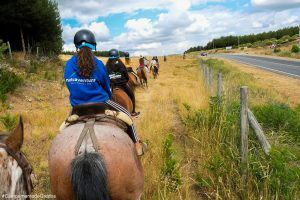
In addition to interpretive hiking activities, school trips to natural parks offer a wide range of activities in nature. One of the main ones — though it may sound like the most basic — is simply observing nature itself. Birdwatching is one of the most important tourist activities in our country, boosted by the outstanding opportunities that natural parks offer for it. As well as the interpretive hiking already mentioned, the direct observation of the wildlife of a natural space is a great attraction for children on school trips. They will return home able to say they have spotted rare species. For those groups looking specifically for a dedicated leisure activity in nature, there are many more options — such as horse trekking and cycle tourism routes.
Both are ways of getting to know the natural space and engaging with it without interfering with its workings or damaging it. A horse trekking route involves making a journey on horseback. This creates a different connection with the natural environment, of which the horse is a part, and results in an unforgettable experience for any school trip. Meanwhile, another activity with great appeal for school trips is a cycling route. Cycling allows us to cover more distance than walking, and the effort involved also translates into a greater sense of satisfaction from the landscape enjoyed. We also have the advantage that many natural parks already have routes designed specifically for cycling. This is an ideal way of combining a sport that is already familiar to the participant with the excitement of their school trip.
Nature School Trips
At Natuaventura Ocio y Tiempo Libre we have been running school trips of all kinds for more than 15 years. Drawing on our extensive experience, we make available the following articles on nature school trips: