Traditionally, end-of-year school trips took place only at the end of compulsory education. Over the years, this idea spread to include those year groups finishing any particular stage of it. Nowadays, regardless of the year group — whether Year 4 or Year 6 — it is common to go on some kind of end-of-year trip or excursion during primary school, secondary school and sixth form. Why extend end-of-year school trips to every school year? There are many reasons we can give to answer this question. Perhaps the first, and the one that matters most to the participants themselves, is that they deserve it. After a school year full of assessments and tasks, a school trip offers them a moment of rest. It can serve as a unique reward for their hard work throughout the year and a way of motivating them for the year ahead.
But it is not only about what it means as a reward. The school trip is also a way of complementing formal compulsory education. During the time the trip lasts, the activities and experiences lived through it are a perfect vehicle for conveying values. Group travel encourages the development of respect, trust and empathy. Stepping out of the usual routine also means gaining autonomy and a sense of responsibility at an age when this kind of learning can make a real difference.

Primary School Trips: Getting to Know Our Surroundings and Respecting Them
Another fundamental lesson of primary school trips is an increased awareness of our surroundings. Children step outside their comfort zone and discover other cities and destinations. In doing so, they will learn about history, environmental studies, geography… They will also learn about the different facets of the place in which they live, how to relate to the natural environment and what points of interest it has to offer. This experience lays the foundations for the child to develop a relationship of respect and care towards the natural world.
When primary school pupils come to know their surroundings, they understand and respect them. From there to taking active steps towards caring for the environment is just a small step. In this way, primary school trips enable participants to discover new destinations, new places and new ways of engaging with the world they live in.
Primary School Trips: New Friends
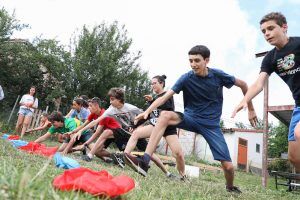
Primary school trips bring together groups who have known each other for years and encourage them to form new relationships and strengthen existing ones. Throughout the school years, pupils often tend to interact with the same classmates — only those they already feel comfortable with. A school trip, which takes place in a different environment from the usual one and is full of new activities, encourages them to step beyond pre-established relationships and to see their long-standing classmates in a new light. The team of monitors also works to foster this. Through group dynamics and workshops, they create different connections among pupils and opportunities to make new friends.
At the same time, for those classmates who have known each other for years, this new opportunity offered by the school trip can deepen their trust in one another. Friendships are strengthened through shared activities and visits to remarkable places. As a result, they will remember this trip as a defining moment in their lives. All of this is what a primary school trip has to offer.
How to Organise a Primary School Trip
For more information about primary school trips, you can consult the following guide, which will tell you everything you need to know for your end-of-year trip: