Portuguese Gastronomy: What to Eat in Lisbon

Discover the Best Traditional Dishes of Lisbon: An Essential Gastronomic Guide
You may well be wondering what to eat in Lisbon.
Lisbon, the charming capital of Portugal, is famous not only for its rich history and picturesque architecture, but also for its vibrant food scene — so let us show you the best traditional dishes of Lisbon.
Gastronomic tourism is a perfect way to get to know a city and its culture in depth. The lifestyle and habits of its people are clearly reflected in Lisbon’s gastronomy.
In Portugal, for example, the important influence of the sea is immediately apparent, as many of the most traditional dishes feature fish, along with wine and cheese.
- Wines accompany every dish — typically the reds from Douro and Alentejo, the famous Vinho Verde, or the robust Port.
- Cheeses are all worth trying, from Serra to those from central Portugal or the Azores.
- And speaking of sweets, we must not miss the delicious flavour of Pastéis de Nata from Belém — the perfect finishing touch to a wonderful meal.
Discover the best traditional dishes of Lisbon!
A school trip will not be complete without sampling the local cuisine. Pupils will immerse themselves in Portuguese culture in a fun and surprising way. Interacting with Portuguese people, making themselves understood and getting about in the shops is part of an experience they will remember for the rest of their lives.
Contents
- Pastéis de Belém: Pastéis de Nata, the Sweet Symbol of Lisbon
- Bacalhau à Brás
- Pastel de Bacalhau
- Caldo Verde
- Francesinhas
- Feijoadas
- Pork Alentejana Style
- Grilled Sardines
- Where to Eat Cheaply in Lisbon
- Guide to Organising Your School Trip to Lisbon
Best Traditional Dishes of Lisbon
In this article we invite you to discover as many traditional Portuguese dishes as possible during your stay in Lisbon. No school trip can be considered complete without having tried these foods:
Pastéis de Belém
Pastéis de nata are much more than a simple dessert in Lisbon — they are a symbol of local gastronomic culture. These small custard tarts are made with puff pastry and filled with a mixture of milk, egg yolk and sugar that makes them wonderfully sweet, and they can be enjoyed either warm or cold. With their crispy exterior and soft, creamy interior, they not only delight the palate but also tell the story of Portuguese pastry-making.
They are the quintessential Portuguese sweet, and in Lisbon you will find patisseries making them by hand everywhere you look. Do not miss the most artisanal pastéis at the Antiga Confeitaria de Belém, in the Belém neighbourhood, where they are said to follow the original recipe for these pastries.

Bacalhau à Brás
Bacalhau (salt cod) is the quintessential Portuguese ingredient, taking centre stage in many of the country’s traditional dishes. With more than a hundred ways of preparing it, this fish appears in a variety of recipes that reflect the creativity and tradition of Lisbon’s cuisine. Try traditional recipes — from Bacalhau à Brás to Bacalhau com Natas — and you will understand why this fish is so beloved in Portugal.
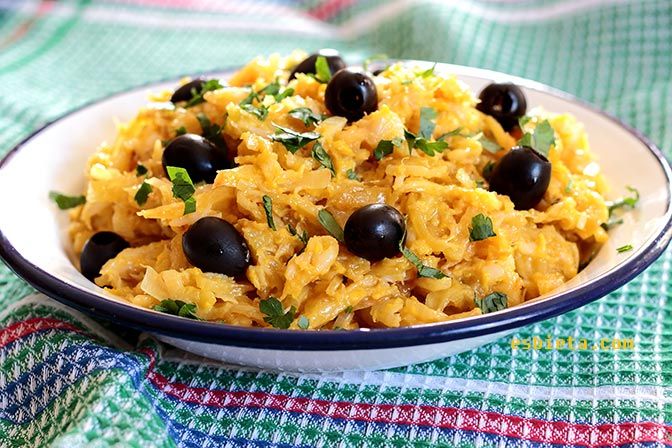
It truly shines in all its glory when cooked à brás, also known as golden bacalhau. The recipe uses cooked, flaked salt cod mixed with shoestring potatoes and beaten egg to create the famous, delicious scramble.
Pastel de Bacalhau
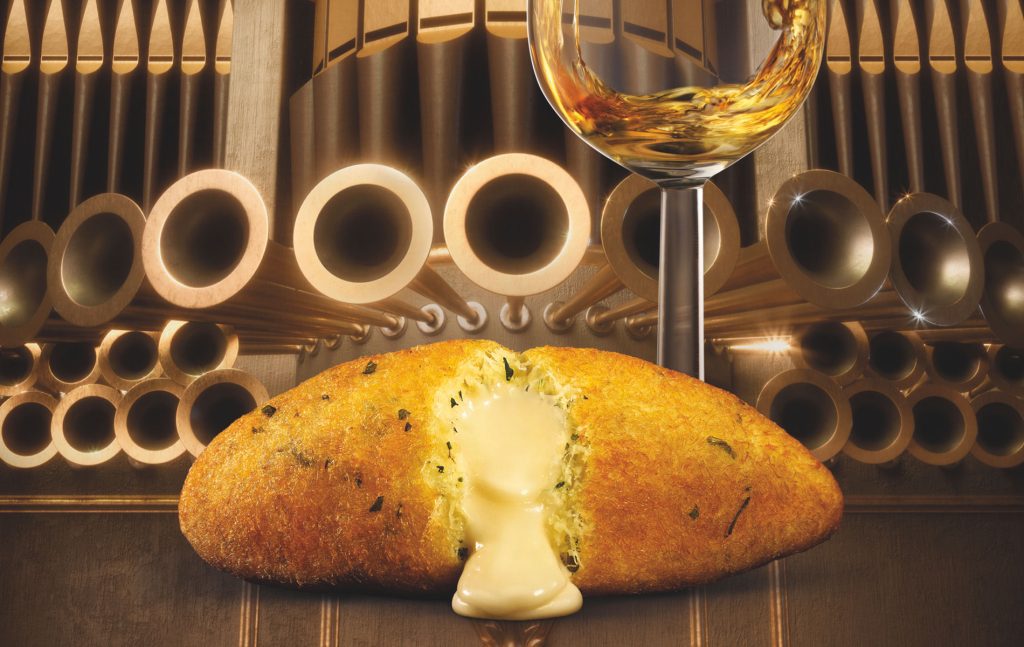
Continuing with salt cod, the Pastel de Bacalhau — known in southern Portugal as «pastel» and in the north as «bolinho» — is far more than a snack: it is a piece of Portuguese culinary history. This simple dish is a traditional recipe that captured the essence of salt cod croquettes and has endured through the centuries.
Preparing a Pastel de Bacalhau begins with desalted cod, which is combined with boiled potatoes, eggs, chopped parsley and a dash of olive oil to form a smooth mixture. This is shaped into small portions that are then fried until golden and crispy. This bite-sized treat, perfect as a nibble or a starter, encapsulates the simplicity and richness of Portuguese cooking.
There is also an exquisite variant of the Pastel de Bacalhau that incorporates «queijo Serra da Estrela DOP», adding a creamy, deep flavour to the traditional recipe. This version originated at the Casa Portuguesa do Pastel de Bacalhau. This restaurant is famous not only for its delicious pastéis de bacalhau, but also for the tradition of pairing this treat with a glass of the incomparable Port wine, creating a perfect combination that delights locals and visitors alike.
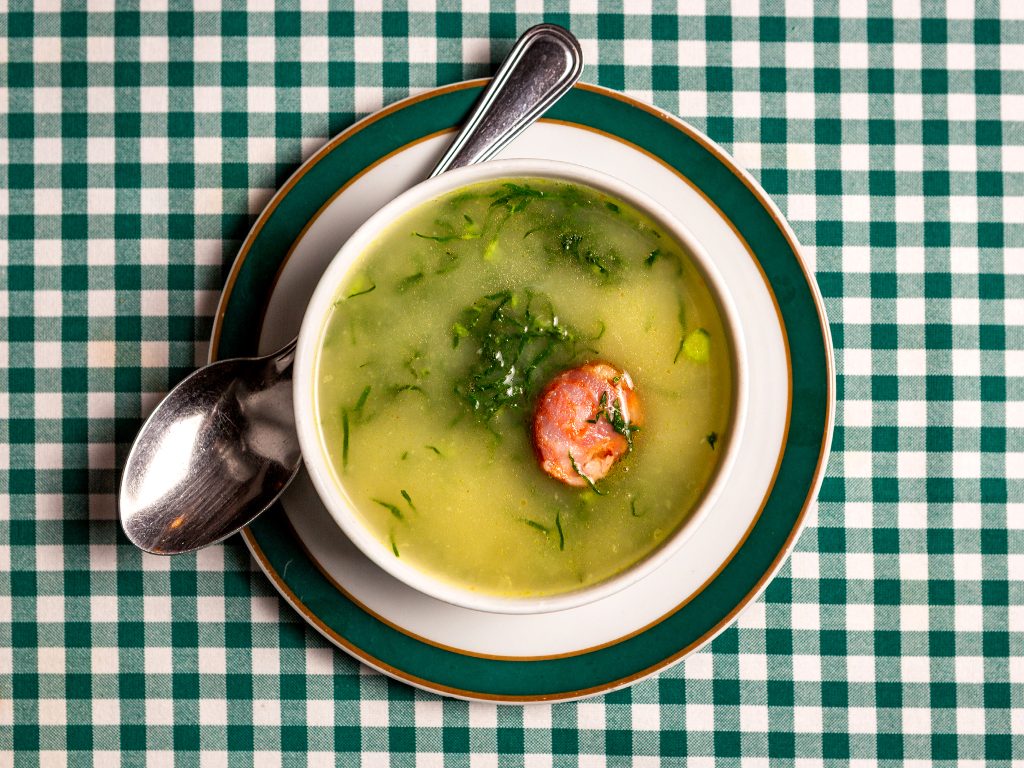
Caldo Verde
Caldo verde, originating from the north of the country, is made with Galician cabbage, kale or collard greens. It is prepared by sautéing onion and garlic and lightly browning sliced potatoes, which are then cooked in water or stock and blended with a potato masher. The recipe is finished by adding very finely shredded cabbage and pre-cooked chorizo, allowing everything to simmer for 5 minutes until it turns a greenish colour and the flavours meld together.
It is a rustic and comforting soup — an essential dish in any exploration of Portuguese cuisine. What stands out about this dish is its humble origins, its cultural importance, and how this simple combination of ingredients can deliver such a deep and comforting flavour.
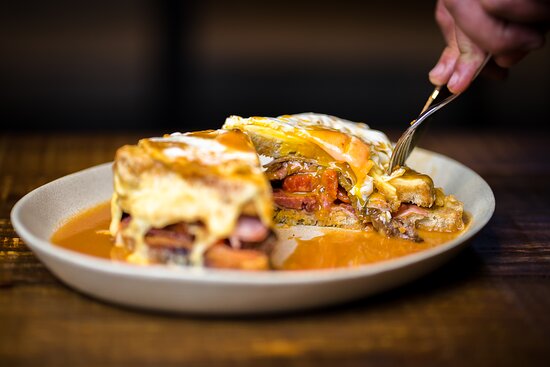
Francesinhas
This is the most famous and hearty sandwich in Portugal. It is made by layering meat and cured meats — which may include sausages, ham, mortadella, and veal or pork steaks — on toasted white bread.
It is then topped with another slice of bread, crowned with melted cheese and, sometimes, a fried egg on top. But none of this would be complete without its spicy sauce, made with beer and tomato. You simply cannot leave Portugal without trying one!
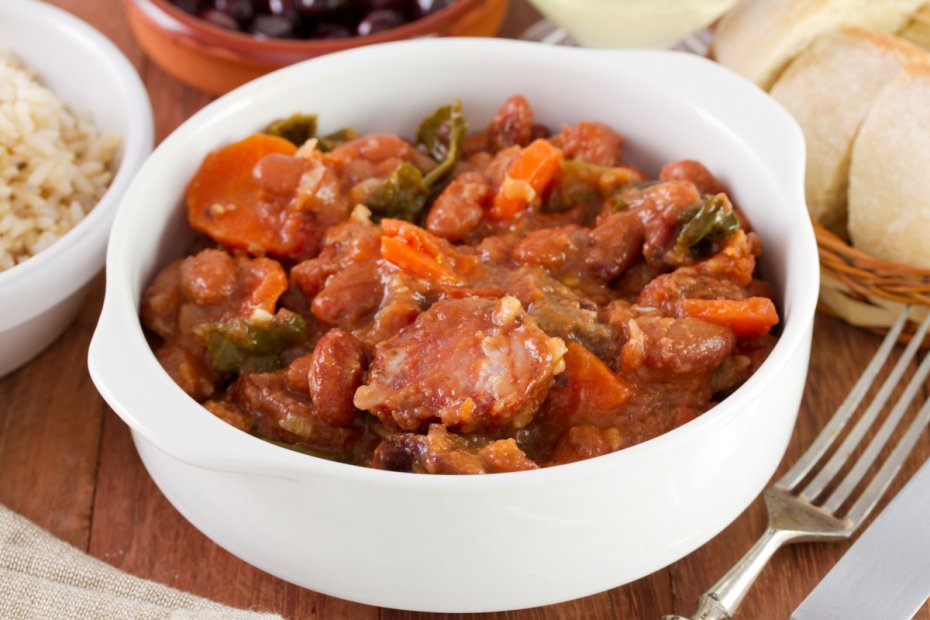
Feijoadas
This dish made with beans is a classic of Brazil with its roots in Portugal. These delicious beans are cooked with tomato, carrot, cabbage, chorizo and bacon, typically served with white rice.
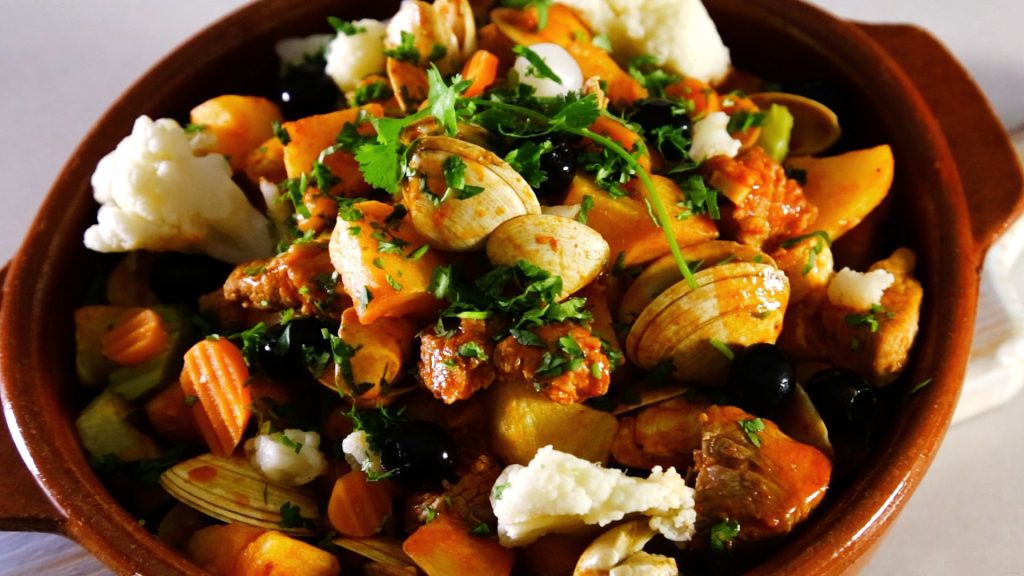
Pork Alentejana Style
Pork Alentejana style is a typical dish from Portuguese cuisine, and more specifically from the Algarve region.
Portuguese cooks gave this dish its name to indicate that the pork used came from the Alentejo region — a more flavoursome meat because the pigs fed on acorns from cork oaks, unlike Algarve pork, which was drier because those pigs were fed on fish scraps. This recipe combines the best of the Portuguese land with the best of the Atlantic: clams.
Grilled Sardines
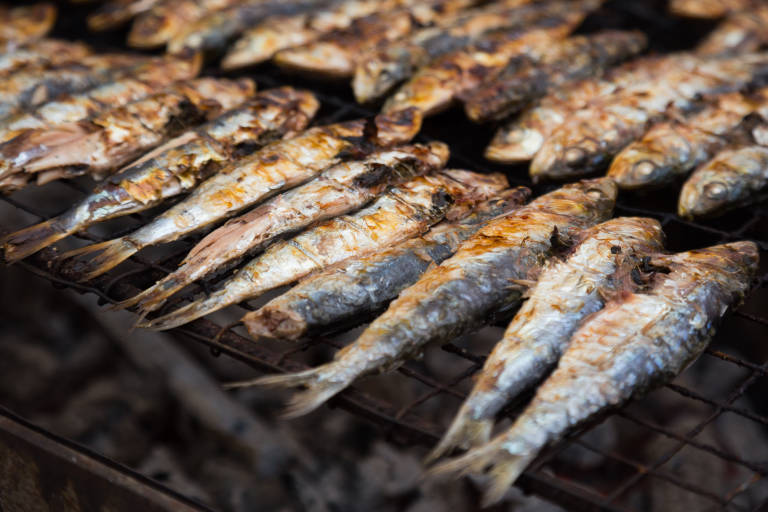
Grilled sardines are one of the most iconic summer dishes in Lisbon. Eaten on a slice of bread, or with grilled peppers and boiled potatoes on the side, there is no summer month in which their wonderful smell and aroma cannot be detected drifting through the streets of Lisbon.
The most famous sardines come from Setúbal, but it is in the streets of the capital that they are savoured at any time — principally during the Festas dos Santos Populares. This dish, simple yet full of flavour, is a cornerstone of the festivities of Santo António.
The various traditional neighbourhoods set up charcoal grills in the streets, and those strolling and listening to music can always have a glass, sing along, and eat another sardine to lift the spirits. On a plate or with bread, this unique speciality is well worth trying — representing, for many, the fabulous days of summer.
Where to Eat Cheaply in Lisbon
Now that we know the best traditional dishes of Lisbon, here is where to eat cheaply in Lisbon — you will find it remarkably easy.
Portugal is a very affordable country, and its restaurants and bars offer very reasonable prices, with a quality-to-price ratio unmatched by other Western European countries. If you want to eat with your group of students in the Portuguese capital, try all its typical delicacies and enjoy its best atmosphere, we recommend these places:
- O Eurico (Alfama)
- Churrasqueira da Paz
- Pão Pão Queijo Queijo (Belém)
- Crisfama
- Floresta das Escadinhas (Rua Augusta)
- Restaurante Cerqueira
- Cervejaria Trindade (Bairro Alto)
- Santa Clara dos Cogumelos (Alfama)
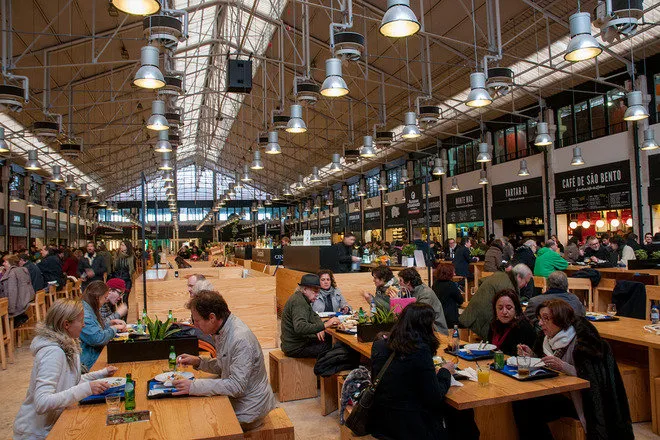
- Mercado da Ribeira
- Cantinho do Bem Estar (Bairro Alto)
MARKETS AND TAVERNS
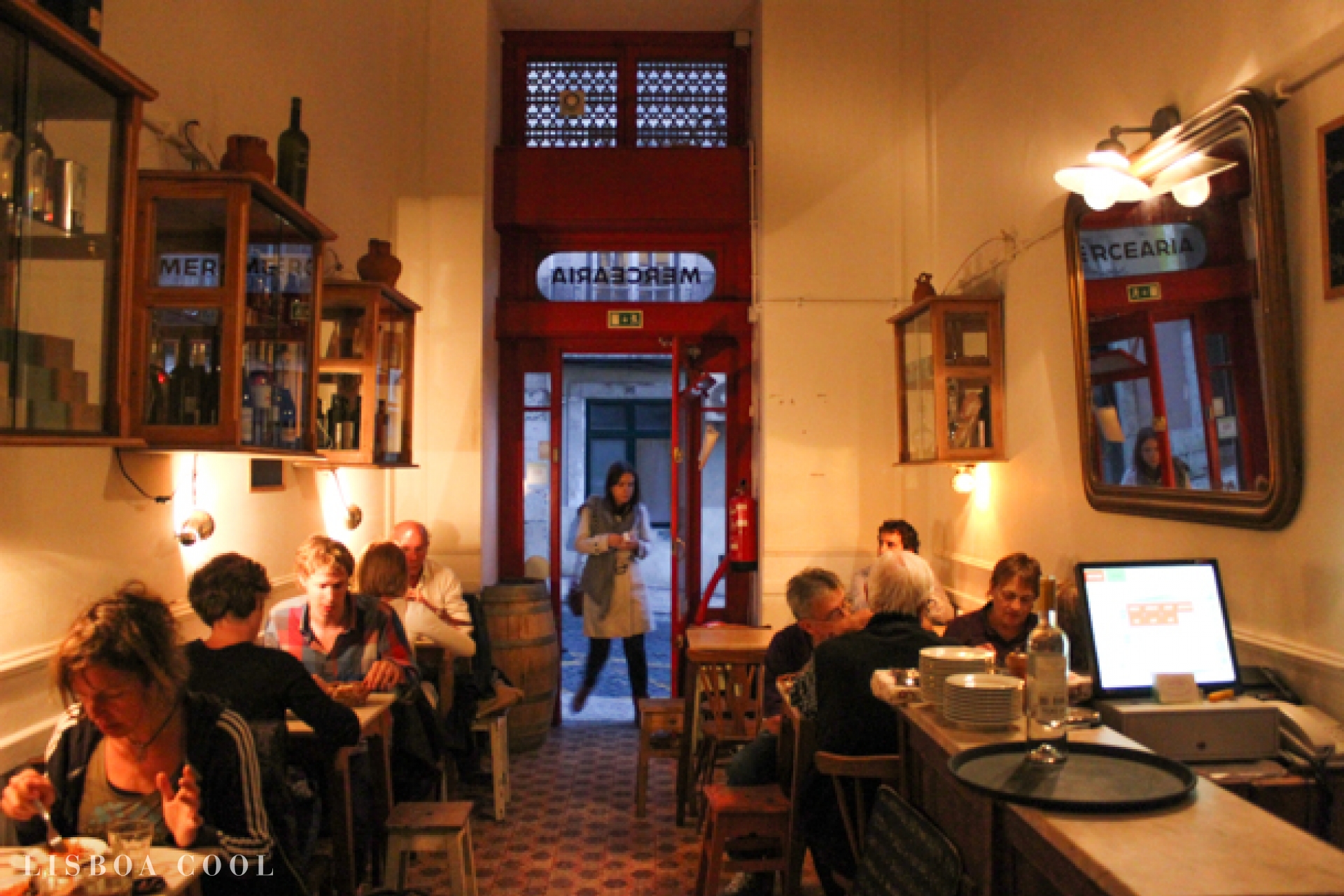
If you are visiting individually, as a couple, with family or friends, Lisbon is also famous for its taverns, bars and markets, found both in the outskirts and the city centre. These are the places where the most traditional Lisbon dishes can be found in their purest form.
For a renowned and exquisite tavern recommendation in Lisbon, we suggest the Taberna Rua das Flores. Do call ahead and book, as it is a small and highly sought-after place — which makes it a very special tavern that wraps you in the most traditional essence of the capital, and is 100% worth it.
As you can see, Lisbon is a family-friendly and nostalgic destination, perfect for travellers in search of a welcoming culture and a surprising gastronomy. Discover the warmth and unknown charm of the Portuguese capital, where every corner overflows with hospitality and rich history.
Guide to Organising Your School Trip to Lisbon
If you are thinking of organising your end-of-year school trip to Lisbon, you have come to the right place — this guide brings you all the information you need before and during the trip: accommodation, gastronomy, transport, possible itineraries, excursions, places to eat the best traditional dishes of Lisbon…
Plan your school trip to Lisbon with Natuaventura — we offer as many possibilities as you can imagine, and a team of monitors with more than 15 years of experience in end-of-year school trips. Don’t miss a thing!
- Organising your end-of-year school trip to Lisbon
- What to visit on your school trip to Lisbon
- What are the most important neighbourhoods in Lisbon?
- Portuguese Gastronomy: What to Eat in Lisbon
- Where to stay on your end-of-year school trip to Lisbon
- A 3-day itinerary in Lisbon
For more information about the options for your end-of-year school trip to Lisbon, please contact us at info@natuaventura.com or by calling 91 714 06 36.