
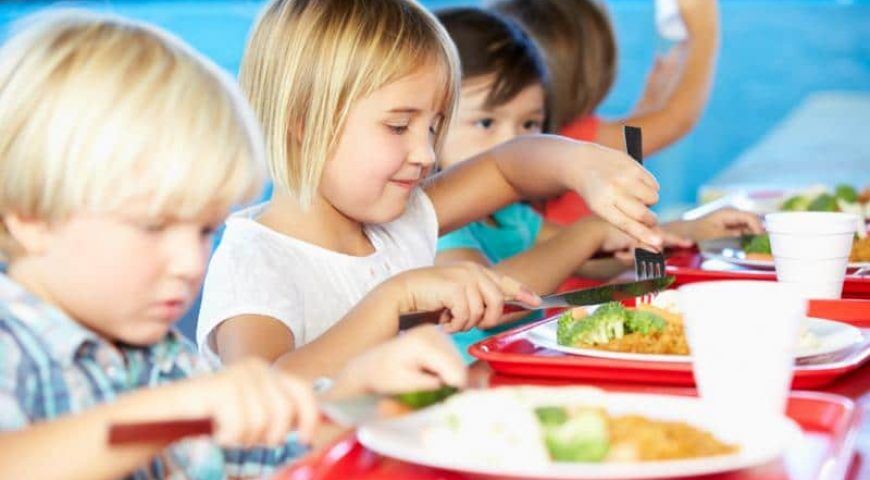
The question arrives as soon as registration is confirmed: “What will my child eat during the camp?”. Food is one of the key concerns for families and, across the Natuaventura catalogue, it follows a common standard at all nine camps. Here is what you need to know.
The Natuaventura standard: 4 meals a day
All Natuaventura camps provide 4 meals a day: breakfast, lunch, afternoon snack and dinner. The rhythm is adapted to age groups and the physical activity of the day, with energy-boosting breakfasts on hiking days and reinforced snacks after afternoon activities.
How the cooking works
In-house kitchen
Each camp cooks in its own facilities. It is not industrial catering. Dedicated kitchen teams are hired specifically to prepare the menus.
Home-cooked food
Traditional recipes, fresh produce. Dishes are prepared daily; nothing is served from external pre-packaged sources.
Local produce
Where possible, products from the camp’s local area: fruit and vegetables from a nearby supplier.
Balanced menus
A weekly combination of proteins, carbohydrates and vegetables designed to match the physical activity load of the camp.
Allergies and intolerances
Menus are adapted for allergies and intolerances declared by the family on the registration form. The kitchen follows a protocol of separate preparation, and a designated person keeps a record of the special dietary needs for each session. It is essential to notify the team in advance when registering so that the alternatives can be prepared.
Where meals take place
Dining rooms
- Covered indoor dining room at hostels (Sierra Norte, Cuenca, Daroca, Santander)
- Covered outdoor dining area at tent camps (Gredos Multi)
- Covered dining room at Navarredonda
- Capacity per session adapted to the group
Atmosphere
- Mealtimes are moments for togetherness and conversation
- Young people help with small tasks (laying the table, clearing up)
- Mealtimes are unhurried: nobody eats in a rush
- Water is always available throughout the day
What is learnt by eating at camp
Trying new things: in a group, young people try dishes they would refuse at home. Peer influence, in this case, works in everyone’s favour.
Table manners: habits of eating slowly, sitting down and having a conversation — habits that are hard to maintain in daily urban life.
Mindful hydration: with all the physical activity, children learn to drink water without being reminded.
Respect for the kitchen team: the people who cook are visible and appreciated. A subtle lesson that stays with you.
Frequently asked questions
My child is a very fussy eater — will they go hungry?
Experience says no. Physical activity opens up appetites, the group effect helps and the menus are varied. Any allergy or intolerance is strictly observed.
Are there vegetarian or vegan options?
Yes, if declared on the registration form. The same applies to religious or medical dietary requirements.
Is a gluten-free diet catered for?
Yes. There is a protocol for separate preparation for coeliac participants. You must notify the organisation on registration so the kitchen can prepare the plan.
Can children bring sweets or snacks?
This is discouraged due to group allergies and fairness. The organisation provides snacks and desserts as part of the programme.
What happens if a child has an upset stomach?
The camp’s first-aid post adjusts the diet to a bland menu and, if necessary, the child is transferred to the nearest health centre.
Want to find out more about our camps?
All Natuaventura camps share the standard of 4 meals a day, an in-house kitchen and adapted menus.
We organise trips for primary, secondary and high school
School Trips
across Spain
alicante madrid barcelona more destinationsCamps from 6 to 17 years old, in different regions of Spain: Alicante, Madrid, Ávila, Cantabria and Cuenca.
summer camps
2026
multiadventure surf english immersion