
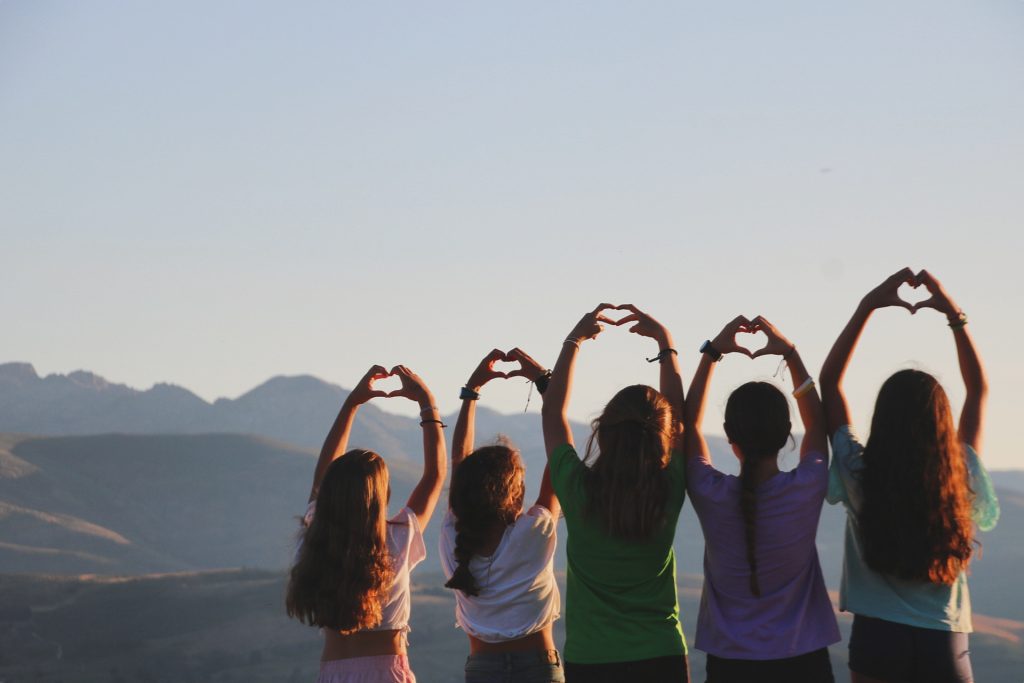
At Natuaventura, English is not studied: it is used, experienced and enjoyed. Our language-immersion method turns every activity, every game and every moment of the camp into a real opportunity to learn the language naturally and lastingly.
What makes Natuaventura’s English summer camps in Spain different?
Many parents wonder whether a summer camp can genuinely improve their child’s English. The answer is yes, as long as the approach is right. At Natuaventura we commit to a methodology based on total language immersion, active participation and experiential learning. English is not a subject: it is the tool for having fun, communicating, solving challenges and working as a team.
The immersion method: learning without realising it
Children learn best when they are relaxed, motivated and feel part of something. That is why we design every activity so that English is part of daily life from the very first moment.
Games and gymkhanas
In activities such as Mission Possible or adventure gymkhanas, the language is necessary to progress, collaborate and complete challenges. English becomes a real tool, not an exercise.
Outdoor activities
Kayaking, orienteering, zip lining or hiking: every activity incorporates specific vocabulary that is internalised practically and in context, without the need for word lists or translations.
Creative afternoons
Theatre, arts and crafts, songs and spoken challenges work on expression and comprehension through fun and imagination, naturally breaking down barriers for participants.
Everyday moments
Mealtimes, shared chores and evening events are also opportunities to speak and listen to English spontaneously, building vocabulary without conscious effort.
Tailored to every level: each child at their own pace
In a group there are as many English levels as there are participants. That is why we do not work with a single approach: we adapt the language to the level and age of each child, ensuring that everyone feels comfortable and capable.
By English level
- High level: fluent expression, advanced vocabulary and pronunciation
- Beginner level: observing, imitating and giving it a go without fear of mistakes
- Intermediate level: progressive challenges that build confidence
- Activity leaders adjust the complexity of each activity
- Visual, gestural and contextual resources to aid comprehension
What children take home
- Greater independence and sense of responsibility
- Improved social skills and teamwork
- Ability to get on in English naturally
- A positive and confident attitude towards the language
- Many parents notice improvement in class after the camp
The team that makes immersion possible
The key to English flowing naturally lies in the people. Our camps have bilingual or native-speaking activity leaders, trained in both English and education and leisure skills. Their role goes far beyond entertainment: they are linguistic role models and creators of a positive atmosphere where participation is encouraged and effort is rewarded. With a warm and motivating approach, they support children in overcoming barriers and gaining real independence in the language.
An experience that goes beyond the language
They learn English while kayaking, orienteering or zip lining. Each adventure activity incorporates vocabulary and structures that are internalised practically, without translation or memorisation.
Play and creativity are the method. Theatre, songs, gymkhanas and spoken challenges work on all language skills through fun. Learning requires no conscious effort.
Group life is also part of the immersion method. Mealtimes, evening events and everyday moments are opportunities to practise English spontaneously and naturally.
Native and bilingual activity leaders as linguistic role models. Their constant presence creates the genuine immersion environment that makes English genuinely advance during the stay.
The result shows at home. Many parents notice that after the camp their children speak in class with more confidence, consume content in English and use new expressions without even realising it.
Frequently asked questions
What does Natuaventura’s language-immersion method involve?
Language immersion means that English is the language of the camp at all times: activities, games, mealtimes and evening events all take place in English. Native and bilingual activity leaders ensure that participants are in continuous contact with the language in a natural and enjoyable way, without formal teaching or constant translation.
Does English genuinely improve during the camp?
Yes. Total immersion has a far greater impact than conventional lessons because English is used in real, varied contexts throughout the entire day. Many parents notice that their children return with greater fluency, more vocabulary and, above all, more confidence and desire to speak in English.
What if my child has a very low level of English?
That is not a problem. Activity leaders adapt the language and complexity of each activity to each participant. Children at beginner level can observe, imitate and gradually give it a go, without pressure to be perfect. The aim is for them to dare to try and gain confidence.
Do activity leaders speak only in English to the children?
English is the main language of the camp to ensure immersion. However, bilingual activity leaders may use Spanish on an occasional basis when necessary to guarantee the safety, wellbeing and comprehension of the participants.
What kinds of activities are carried out in English at the camps?
All activities are carried out in English: camp games such as gymkhanas or missions, outdoor activities such as kayaking, orienteering or hiking, creative afternoons with theatre, songs and arts and crafts, and also the everyday moments of group life such as mealtimes and evening events.
What if this summer were the turning point for your child’s English?
Discover our English summer camps in Spain: total immersion, native activity leaders and outdoor adventure.
We organise trips for primary, secondary and high school
School Trips
across Spain
alicante madrid barcelona more destinationsCamps from 6 to 17 years old, in different regions of Spain: Alicante, Madrid, Ávila, Cantabria and Cuenca.
summer camps
2026
multiadventure surf english immersion